Christmas Doodle Alphabet Sublimation7 in Real Embroidery Projects
Let’s talk about this Christmas Doodle Alphabet Sublimation7 as a design asset, not just a digital file. When you’re in my shoes, scrolling through graphics for next month’s client work and holiday shop inventory, a design like this isn’t just a purchase. It’s a potential project, a possible headache, or a perfect solution. I approach it with the practical eye of someone who needs to stitch it out, sell it, and see it hold up.
The Immediate Mood & Where It Belongs
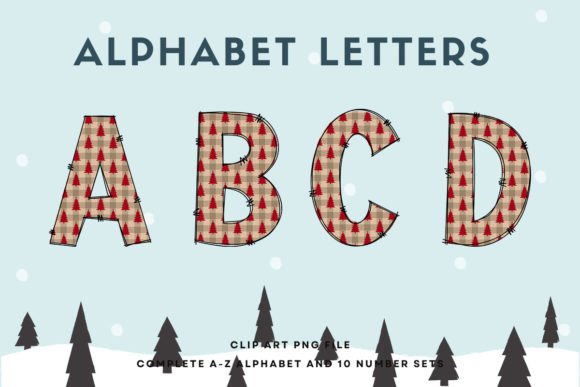
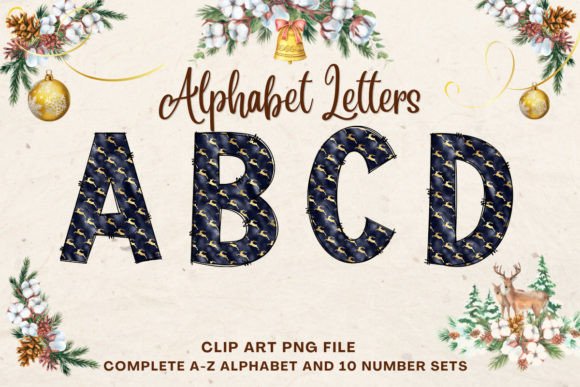
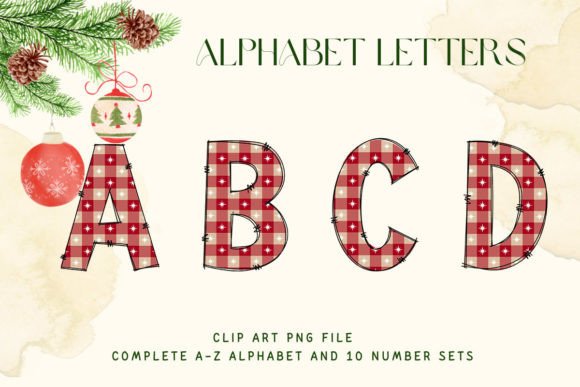
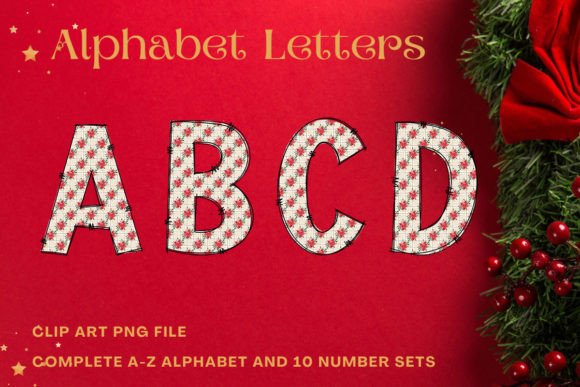
The first thing that strikes me about this set is its friendly, hand-drawn personality. It’s not a rigid, formal alphabet. It’s playful. Each letter feels like a little holiday character, with those doodled accents of snowflakes, stars, and holly. This creates a warm, whimsical mood perfect for anything meant to feel personal and festive. It doesn’t scream “corporate holiday gift”; it whispers “made with care.”
This visual personality tells me exactly where it belongs. My mind goes immediately to custom apparel for kids—a cozy Christmas sweatshirt with a child’s name embroidered across the front. Or a personalized baby item, like a soft blanket with “Noel” stitched in a corner. It’s ideal for small shop merchandise aimed at boutique shoppers: an embroidered linen pillow cover with “Joy,” or a set of kitchen towels as a holiday hostess gift. The design lends itself to products where the handmade touch is the entire value proposition.
Thinking Through the Stitch
Now, let’s move from the screen to the hoop. I’m imagining loading this as an embroidery file and preparing a real project. I picture a classic scenario: a client orders a custom embroidered tote bag as a Christmas gift, wanting the recipient’s name in a festive style. This alphabet feels like a strong contender.
The open, doodle-style outlines are promising. In embroidery, overly dense designs can become stiff and heavy on lightweight fabrics like totes or baby clothes. This appears to have enough negative space to allow for clean satin stitches and running stitches without becoming a thick, rigid patch. That’s crucial for maintaining the drape of a bag or the softness of a child’s sweatshirt. However, the charming little details—those tiny snowflake dots and leafy corners—are the part that requires a practical pause.
Where a Designer’s Caution Comes In
Those delightful details demand attention in real-life embroidery situations. On a curved surface like a cap, extremely fine elements can lose clarity. On textured fabrics like a woven apron, tiny details might get lost in the weave. The biggest consideration is scale. This alphabet’s appeal depends on its doodled accents, so shrinking it down for a small hoop size on a delicate item, like the cuff of a sweater, could render those accents muddy or indistinguishable.
For dark fabric, which is common for holiday apparel like navy sweatshirts, the contrast needs to be thought through. Would a white or bright red thread maintain the design’s playful lightness? A test on scrap fabric is non-negotiable. Similarly, for projects that need frequent washing, like tea towels or baby blankets, I’d consider using a sturdy stabilizer and perhaps simplifying the stitch type for the smallest details to ensure longevity.
How It Shapes the Finished Product
Using a design like this affects everything beyond the stitch. It directly influences customer trust and visual appeal. When a customer sees a name embroidered with this alphabet on a gift, it feels cohesive and intentionally designed. That builds brand consistency for a small business. It signals that you, the maker, didn’t just use a generic font; you selected a design with a specific mood.
The handmade presentation is elevated. It looks less like a stock product and more like a personalized gift. This increases its giftability and, frankly, its perceived value. For an Etsy seller or someone stocking a craft fair booth, that difference is everything. It can turn a simple embroidered patch into a standout item that buyers remember.
For commercial embroidery projects, say for a local boutique’s holiday line of pillow covers, this alphabet could provide a unique, recognizable theme across products. The recognition factor—that consistent doodle style on multiple items—creates a small collection, which is more professional and engaging than one-off pieces.
Practical Notes Before You Hoop Anything
Before committing this to a client order or your shop inventory, here’s my on-the-ground checklist. These are the steps that separate a successful project from a frustrating one.
- Test on scrap fabric first. Use the same material you intend for the final product. See how the small details stitch out.
- Check thread color contrast against both light and dark backgrounds. Does the playful mood hold up on black?
- Review the implied stitch density from the graphic. Are areas too dense for lightweight fabrics? Could you adjust settings?
- Confirm your intended hoop size can accommodate the size of letter you need while preserving detail clarity.
- Inspect the smallest design corners in your test. Will they require extra stabilizer or a slower stitch speed?
- Consider the final use. For a custom apparel item like an adult sweatshirt, the scale might be perfect. For a tiny baby embroidery on a bib, you might need to simplify.
- Use proper stabilizer. This is especially key for stretchy fabric or layered garments to keep those doodled lines crisp.
A crucial, often overlooked step is the commercial side. Since this product is listed under Illustrations and Graphics, and described as a digital PNG for sublimation, its application for machine embroidery requires conversion. You must confirm licensing before selling finished items or digital products derived from it. The license terms are not provided here, so that is an absolute must-check before any commercial use.
The Final Takeaway for Makers
The Christmas Doodle Alphabet Sublimation7 has the visual charm that can make holiday projects feel special and personal. It’s a strong candidate for projects where a friendly, handmade aesthetic is the goal. Its success, however, hinges on a maker’s practical preparation. Treat it not as a ready-to-stitch file, but as a design concept that needs thoughtful translation into thread and fabric. Scale it appropriately, test it thoroughly, and respect its licensing. When done right, it can become a versatile asset for your holiday embroidery project lineup, adding that touch of doodled joy that customers and gift recipients genuinely appreciate.