Howdy Santa, Cowboy Christmas: A Designer’s Hands-On Review
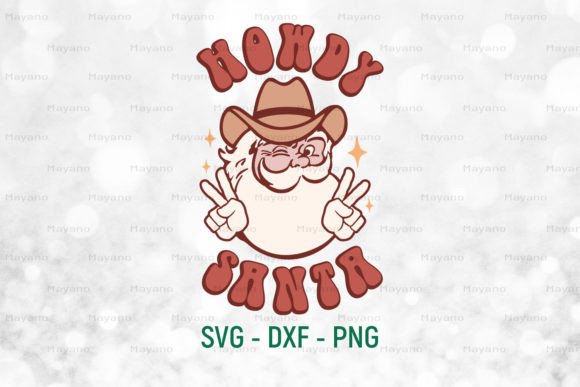
When I first opened the Howdy Santa, Cowboy Christmas file, I smiled. It’s that kind of design. This isn’t just another holiday graphic; it’s a character with a personality. The fusion of classic Santa with a Western cowboy aesthetic creates a mood that’s festive, friendly, and a little bit rugged. It feels warm and approachable, perfect for that segment of customers—or friends—who prefer a holiday spirit with a touch of down-home charm over a more formal, traditional look.
The Immediate Project Fit: Where This Design Naturally Belongs
My mind immediately started sketching out applications. The layout and detail level here suggest it’s a graphic built for a statement piece. This isn’t a tiny accent; it’s a central image meant to be appreciated. For embroidery, that translates beautifully to a custom sweatshirt or hoodie, a sturdy canvas tote bag, or a cozy throw pillow. I pictured it on a denim apron for a holiday cook, or as a large, standalone patch that could be applied to a jacket or backpack. The theme also lends itself wonderfully to personalized gifts—think a child’s name embroidered above the design on a nursery blanket or a festive tea towel for a kitchen.
For small business owners and Etsy sellers, this design has strong giftability and recognition. It taps into a specific niche within holiday merchandise. A boutique selling rustic or Western-themed decor could use this on a pillow cover or a kitchen towel set and have a product that feels cohesive with their brand. The handmade presentation gains value because the design itself has a distinct, illustrated charm that stands out from generic seasonal motifs.
Considering the Stitch: Practical Performance on Real Fabrics
Moving from the idea to the actual embroidery project requires some practical thinking. The design’s shape is generally bold, which is good for clarity when stitched. However, areas with potential complexity, like the hat details, the belt, or the lettering in “Howdy Santa,” need attention. On textured fabrics like a heavyweight sweatshirt or a canvas bag, the fill stitches should hold up well and look crisp, provided you use the correct stabilizer. For baby clothes or thinner fabrics, you’d want to carefully test stitch density to ensure it doesn’t pucker or feel too stiff, especially if the item needs frequent washing.
Dark fabric backgrounds are a strong contender here. Imagine this Santa on a black or navy sweatshirt—the contrast would be striking, but you must plan your thread colors accordingly to maintain that visual pop. On curved surfaces like caps, the design’s overall size and any fine details in the corners would need careful hoop placement and possibly some simplification in the embroidery file settings to ensure clean results.
Where a Careful Approach is Wise
While this design is wonderfully bold, there are scenarios where I’d proceed with extra caution. If you’re working with a very small hoop size, some of the delightful illustrative details might become muddled or require excessive stitch compaction, which can affect the final look and the fabric’s integrity. Stretchy fabrics also demand a thoughtful approach; a large, dense embroidery design on a stretchy tee might limit the garment’s comfort and durability.
The key, as always, is to test. Before committing this to a client’s project or a batch of craft fair merchandise, stitch it out on a scrap of your intended fabric. Review how the small details translate into satin stitches or fill stitches. Check the thread color contrast against your actual background material. Does the “Cowboy Christmas” text remain legible and charming? A test run in both a light and dark fabric mockup, even digitally in black and white, can reveal how the design’s balance holds up under different conditions.
The Impact Beyond the Stitches: Customer Trust and Commercial Use
Using a design like Howdy Santa, Cowboy Christmas in a commercial setting—for your small shop product or as part of your embroidery service—affects more than just the physical item. A well-executed embroidery of a unique, appealing graphic enhances customer trust. It shows professionalism and an eye for quality assets. It makes the finished product feel special, which boosts buyer engagement. Someone looking for a holiday gift is more likely to choose an embroidered tote with this distinctive character over one with a generic snowflake.
A crucial note for digital product sellers and creative entrepreneurs: this design falls under the category of Illustrations and Graphics. The product description mentions SVG and PNG files. For embroidery use, you will typically need to convert or use these within your embroidery software to create a usable embroidery file. Furthermore, always confirm the licensing terms before selling finished items or commercial embroidery projects. The description provided does not specify license details, so it is imperative to verify your rights for commercial application directly from the source.
Final Designer Notes for Your Project Success
To wrap this practical review up, here’s my condensed advice for putting Howdy Santa, Cowboy Christmas into action. First, match it to a product that suits its personality: sturdy, giftable, and statement-making. Second, respect the embroidery process by testing on your specific fabric, choosing stabilizer wisely, and ensuring your machine settings honor the design’s details without overloading the material. Third, consider its commercial potential carefully by confirming licensing and presenting it as a premium, handmade option in your listings or boutique.
This design has the warmth and uniqueness to make a holiday embroidery project truly memorable. Whether you’re stitching it for a personalized gift or for your next batch of small business merchandise, its friendly, cowboy-Santa charm can translate into a finished product that feels both professionally crafted and genuinely joyful.